The V-Dipole craze has really taken off! A V-Dipole is best described as two quarter wave elements angles upward in approximately 120 degree angle and supported by a tripod or base of about five feet in height. Alpha Antennas has produced a commercial V-Dipole for a few years, but this style of antenna can be mimicked by other antenna systems like Chameleon and REZ Antenna.
That’s the subject of this week’s video, The REZ Antenna’s Scout can do so much more! Build a V-Dipole Antenna https://youtu.be/b2Sf8AumPxE
Document with my measurements for the V-Dipole Elements:
https://drive.google.com/file/d/12rX645QaMDGQMJoD7WmbYZC8VpUo30vI/view?usp=sharing
BOSCH BT160 63 in. Aluminum Contractors’ Tripod: https://amzn.to/3Pd6U7b
Purchase Rez Antenna System Products at DX Engineering: https://dxengineering.pxf.io/xJ9AVR
Which is better: V-Dipole or Inverted Vee antenna?
I get questions like this all the time as hams are evaluations antennas and antenna systems, and feel the need to pick one over the other. I am more aligned with treating antennas as tools. Just like there is a difference between a Crescent wrench, box end wrench, and ratchet, all are tools that can potentially get the job done. It’s up to you to decide which is the best for a particular application.
The same is with antennas. There are times I will want to pick the V-Diple and other times it will be the Inverted Vee. Both can get the job done, but there will be advantages and trade offs.
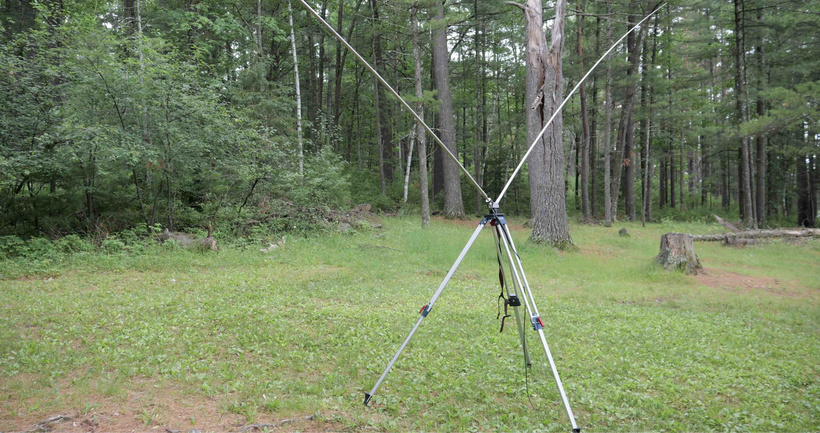
First, the V-Dipole. The V-Dipole will be bi-directional, it generates a bit of directivity off the sides of the antenna. This is mostly due to its low height in relation to the ground. The bi-directivity can be an advantage as it allows you to position or aim the antenna for best coverage for the region you want to hit. But this low height also limits its RF takeoff angle, making it higher than other antenna styles. That can limit the V-Dipole Dx characteristics. I’m not saying it isn’t a DX antenna, but it wouldn’t be my first choice for DX.
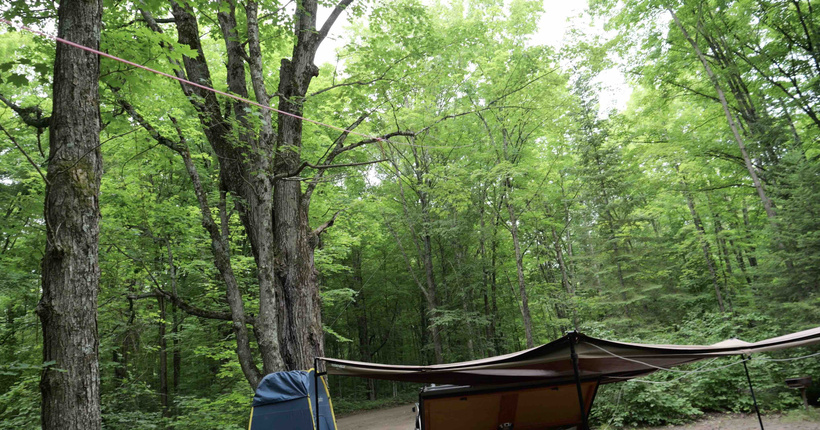
Counter that with the Inverted Vee. As peak of the V is high and the legs droop down, it develops a more omnidirectional radiation pattern. Also, as you get the peak higher and still maintain that 60 degree angle for the elements, you can affect the takeoff angle, making it better suited for DX. For example, I’ve had great DX with a 10 meter inverted V antenna on the 10 meter band. With the peak up about 16-20 feet, which is a half wave on that band, I easily hit foreign stations during the ARRL 10 meter contest.
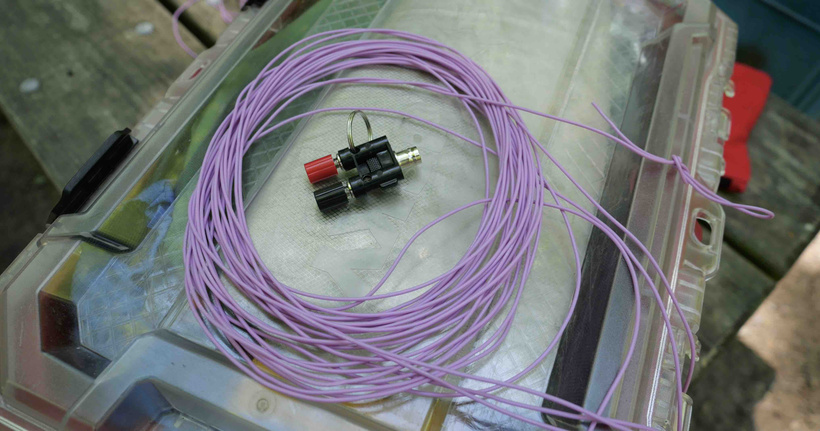
Another factor in antenna selection is deployment. Dipole antennas requires trees, masts, or supports for effective deployment. The V-Dipole is completely self supporting, with rigid antenna elements and a heavy tripod for its base. If I was in a place where I couldn’t throw a line in a tree or use a mast to get the center point in the air, my V-Dipole would be the first choice.
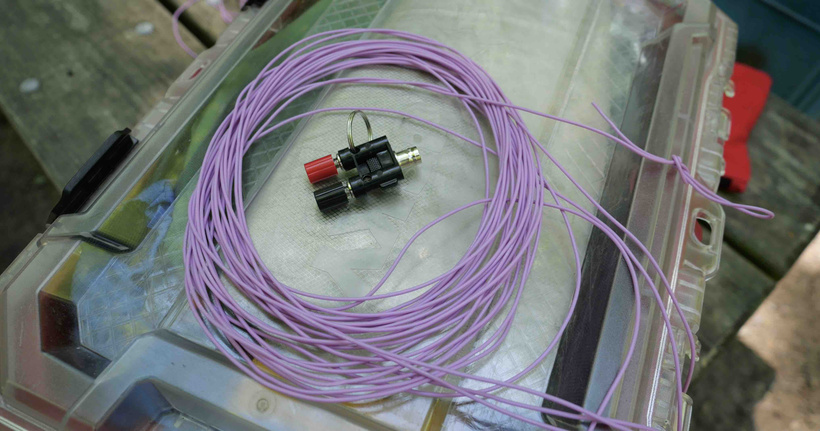
But if weight is an issue, the V-Dipole is out. The tripod weighs about 12 lbs and it is cumbersome. The rigid whips don’t pack down into a small space. My 20 meter inverted V just weighs ounces and can be easily stowed, along with some lightweight cord and a throw bag, in my pack along with my QRP transceiver.
One shortcoming both antennas face is their efficiency. As noted in section 9.3.1 of Rothammel’s Antenna Book (13th edition, translated), angular dipole legs will have an influence on each other, reducing bandwidth and efficiency. In the case of an Inverted Vee dipole hung at 1/2 wave of height, the gain drop was only .6 dB when compared to a horizontal hung dipole (p. 299). A V-Dipole antenna with legs pointing upwards will realize similar efficiency drops.
Knowing these characteristic differences between the two antennas will help you make a choice on what you want to focus on: domestic vs DX contacts, and self supporting vs supported deployment.
Finishing Up
I mentioned this on the livestream last week, but now it is official: I will be at the Huntsville Hamfest in Huntsville, Alabama on August 22, 2026. Friday the 21st I will be participating with the ARRL National Convention and be teaming up with “Salty” Walt, W9OGO, on a day long session on portable antennas. Saturday I will be at the show all day.
We’ll be driving down and back to the show, so there should be plenty of opportunity to catch me on the air as we activate parks along the way. I’m looking forward to the show and I encourage you to catch our session on Friday. Tickets for the national convention and workshop are available on the ARRL website.

Recent Comments